
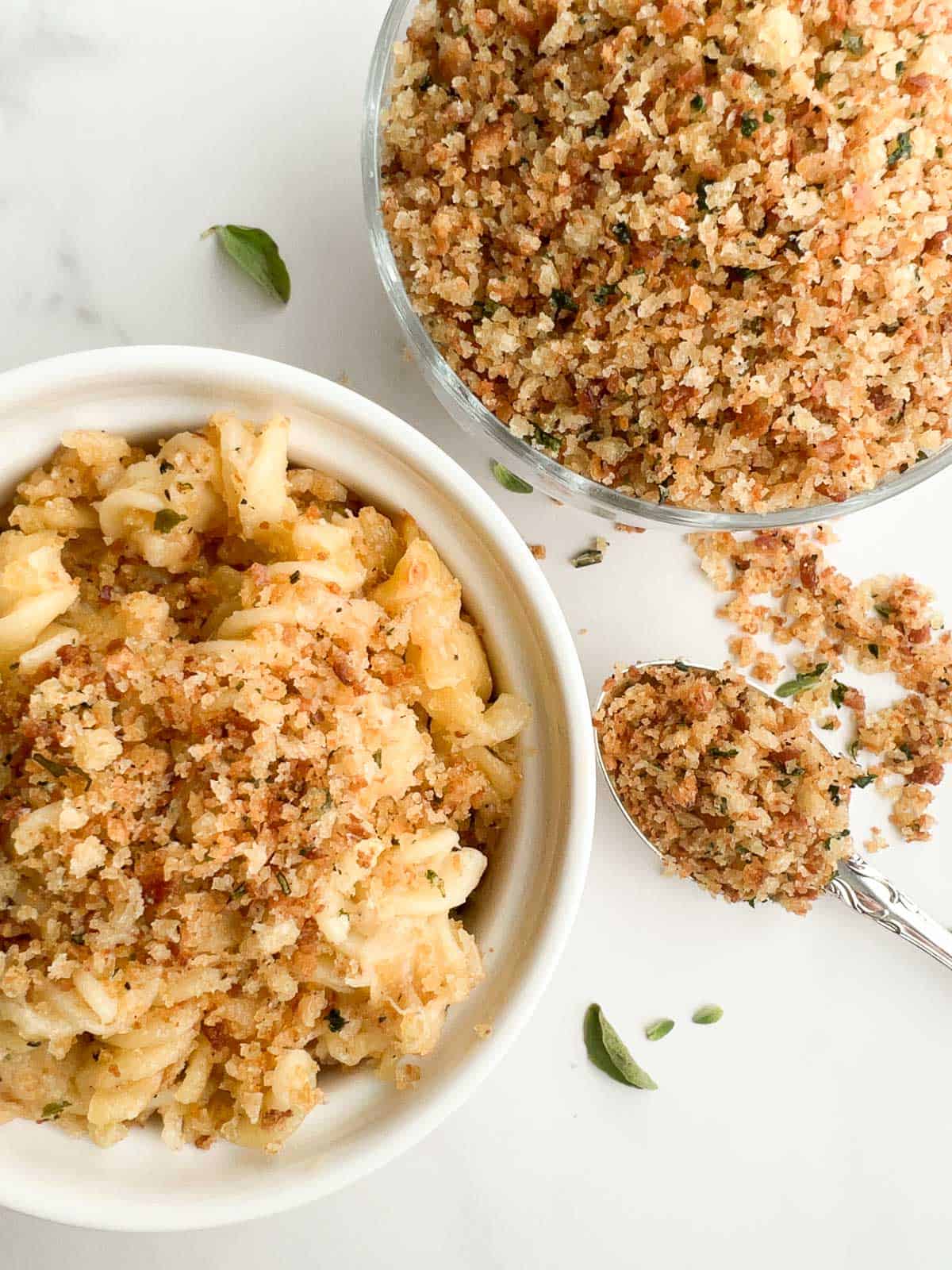
Pangrattato is a crispy Italian breadcrumb topping made by toasting day-old bread in garlic-infused olive oil, then tossing it with fresh herbs. Ready in less than 30 minutes, it adds savory flavor and irresistible crunch to pasta, vegetables, soups, and any simple dish that needs a finishing touch!
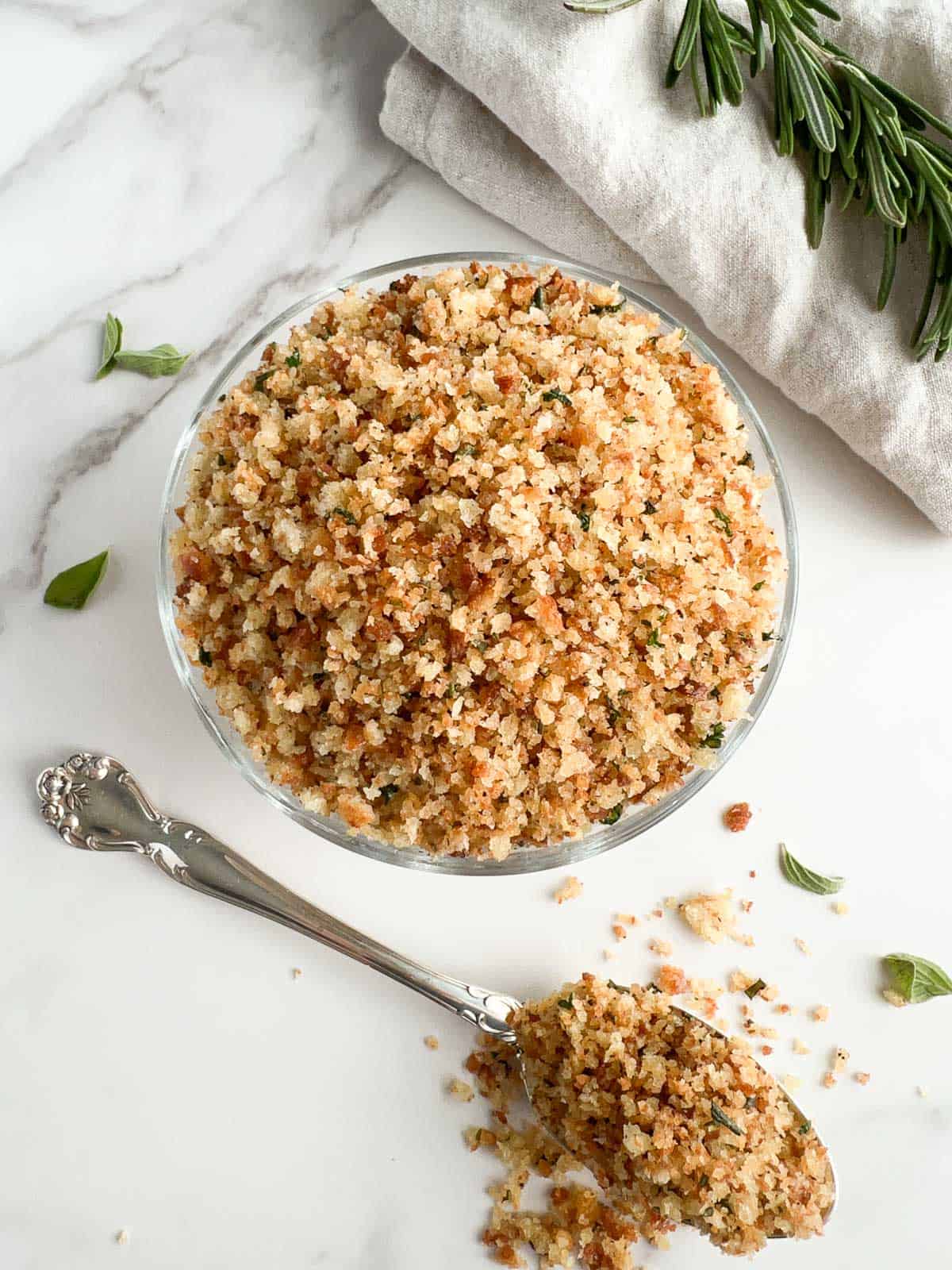
Pangrattato is rooted in Southern Italy's tradition of cucina povera, a peasant style of cooking built on resourcefulness and simple ingredients. Common to the regions of Sicily and Calabria, the word pangrattato translates to "grated bread," and is often known as poor man's parmesan because it added flavor to dishes when cheese wasn't available. In my Italian family, these homemade breadcrumbs are a pantry staple and the perfect topping for dishes like Italian mac and cheese, bucatini cacio e pepe, and pasta with lemon and capers.
Recipe at a Glance: Pangrattato
- ⏱️ Total Time: 25 minutes - 10 minutes prep; 15 minutes cook
- 🍽️ Servings: 8
- 🧑🍳 Method: stovetop
- 🧰 Equipment: food processor, blender, or box grater to make the breadcrumbs
- 🥣 Key Ingredients: stale bread, garlic, olive oil, fresh herbs
Why You'll Love This Recipe
- Resourceful cooking: transforms stale bread into a crisp, flavorful topping, a hallmark of Italy's cucina povera tradition that reduces waste.
- Authentic texture: slowly toasting the bread creates golden, crispy breadcrumbs that are never too dry.
- Deep, savory flavor: garlic-infused olive oil evenly coats the breadcrumbs, building rich flavor as they toast.
- Easy to make: comes together in under 30 minutes, using a handful of everyday ingredients.
- Endlessly versatile: use pangrattato anytime you need a pop of texture and flavor. I especially love it sprinkled over my spinach arugula salad, baked ziti with ricotta and sausage, and pasta fagioli soup.
Jump to:
Ingredients
This recipe uses simple, high-quality ingredients, so choosing the best ones makes all the difference. The ingredient notes below include my recommendations and helpful tips.
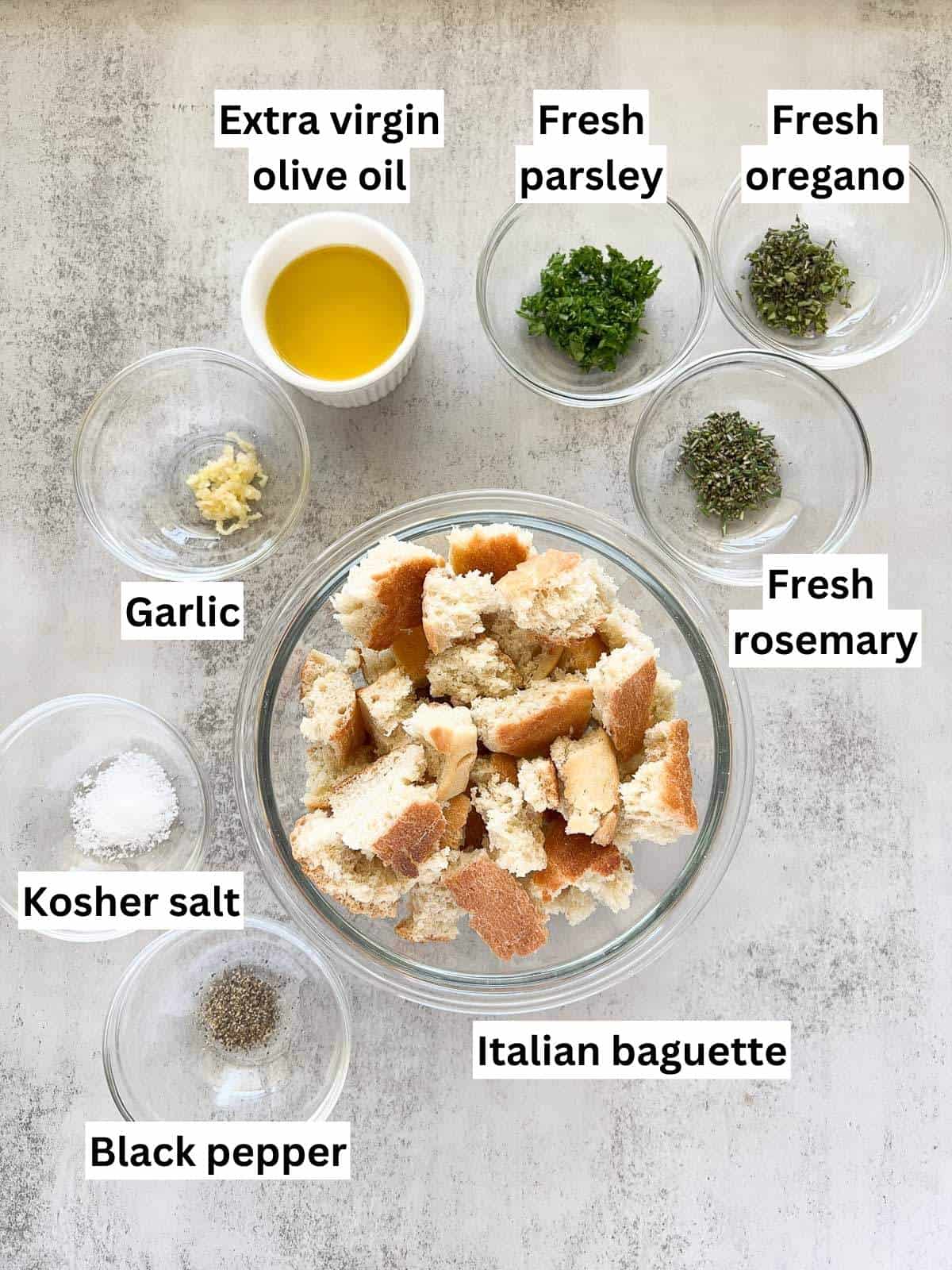
Ingredient Notes
- Italian baguette: this creates the coarse breadcrumbs traditional to pangrattato. I often use homemade stirato for its rustic texture, but any sturdy, crusty bread like ciabatta, sourdough, or French bread works well. Day-old or stale bread toasts faster, but fresh bread can also be used - just dry it briefly in a low oven before processing into crumbs.
- Fresh parsley, oregano, and rosemary: the herbs add brightness to the breadcrumbs. I use fresh herbs often in Italian cooking, like in my orzo vegetable soup, for the best flavor. If needed, substitute dried herbs using one-third the amount. Add them earlier in the cooking process so they have time to soften and release their flavor.
- Extra virgin olive oil: this is the flavor foundation of pangrattato. Gently heated with garlic, it infuses the breadcrumbs with rich aroma and depth. Use a good-quality oil for the best taste, and store olive oil in a cool, dark place to preserve it's freshness - never right next to the stove.
- Garlic: use freshly minced garlic for the best flavor and aroma. Pre-minced garlic can taste milder and may not infuse the oil as well.
See recipe card for quantities.
Substitutions and Variations
- Change the herb blend: pangrattato can be adapted with different herbs depending on the season and dish. Basil creates a fresh, bright flavor that works well with tomato-based pastas, like pasta with pomodoro sauce or rigatoni arrabbiata. Thyme or sage add warmth to baked dishes, like pasta al forno.
- Brighten with lemon zest: stir in finely grated lemon zest at the end of cooking for a bright, fresh finish that goes well with vegetables or seafood.
- Spice it up: a pinch of red pepper flakes added to the olive oil gives the breadcrumbs subtle warmth and depth.
- Add cheese: while pangrattato is traditionally used in place of cheese, a small amount of finely grated Parmigiano Reggiano or Pecorino Romano can be added at the end for extra richness and umami.
How to Make Pangrattato
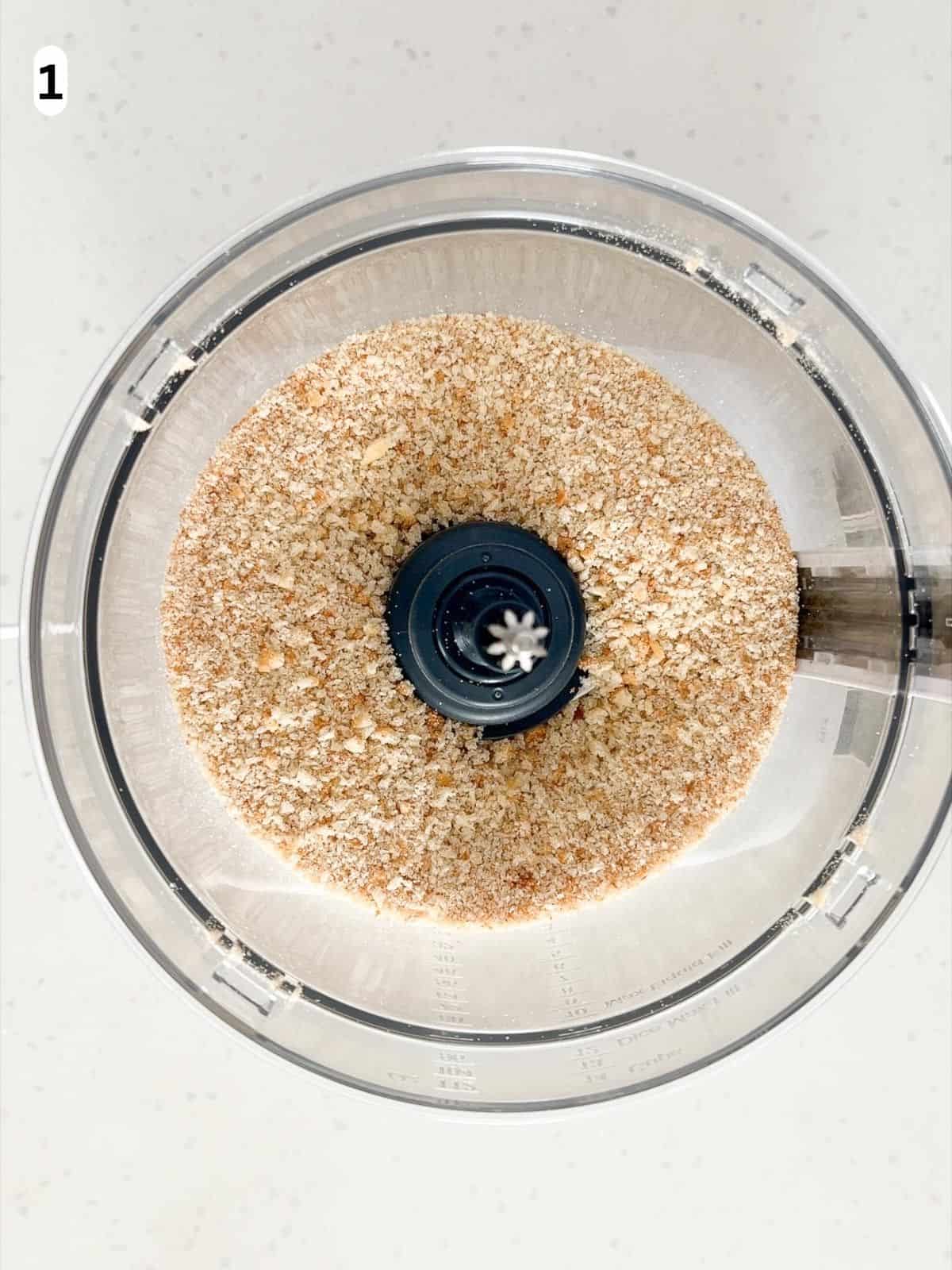
Step 1: tear the bread into small pieces and place them in a food processor. Pulse until coarse breadcrumbs form (image 1). If you don't have a food processor, you can grate the bread using a box grater or pulse it briefly in a blender.
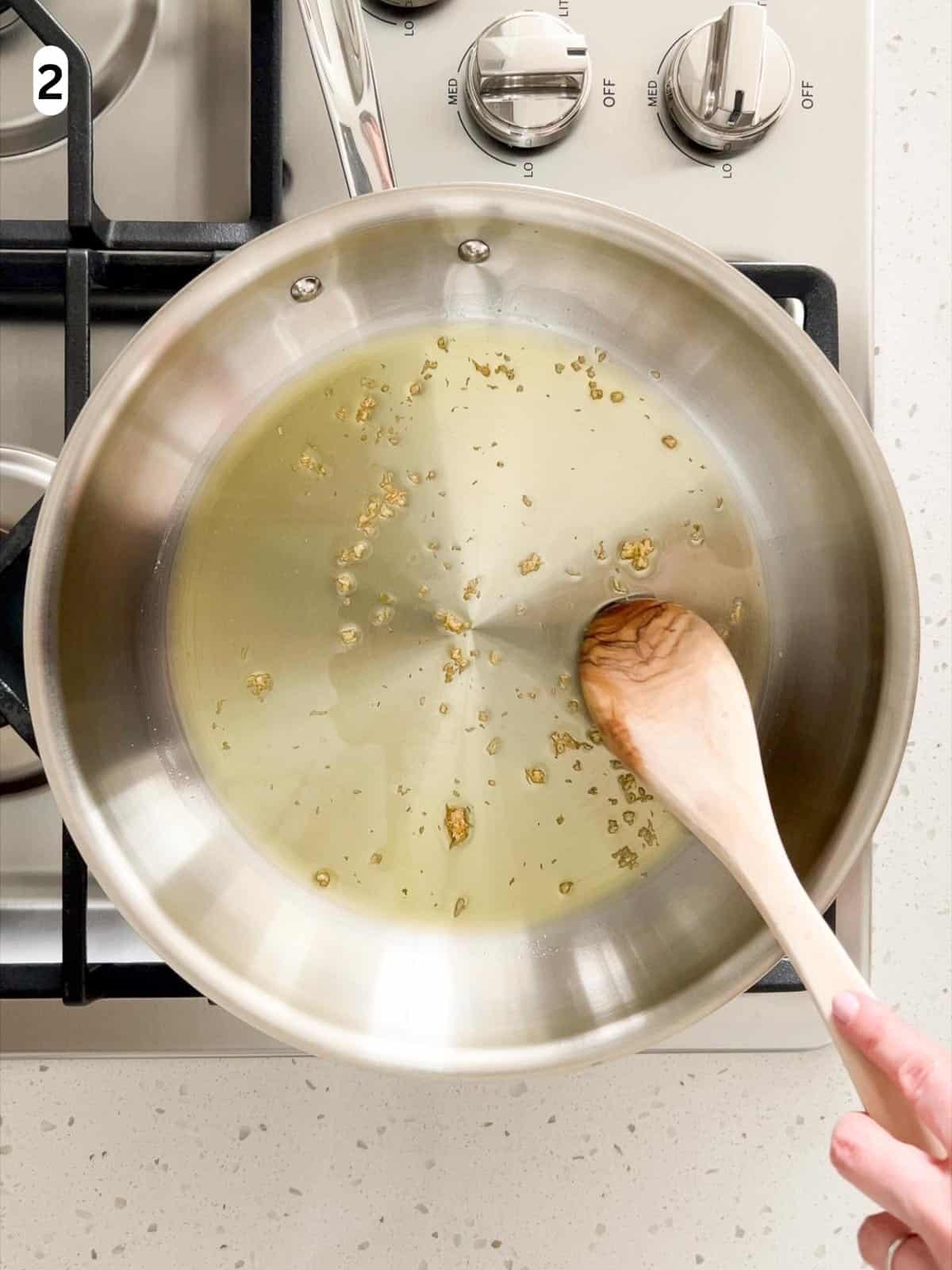
Step 2: heat the olive oil in a large skillet over low heat. Add the garlic and cook for about 5 minutes, allowing it to gently infuse the oil until fragrant and lightly golden (image 2).
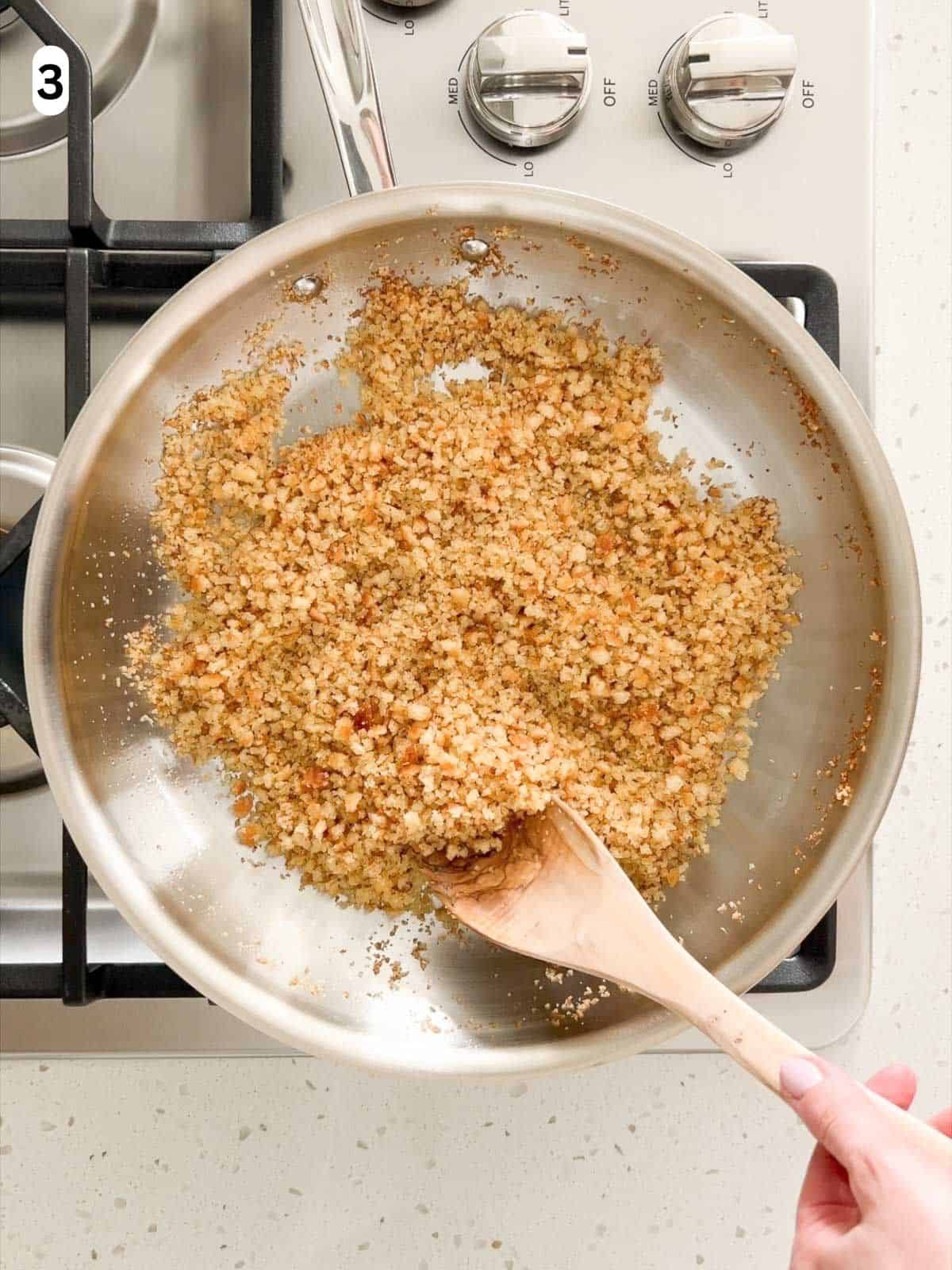
Step 3: add the breadcrumbs and toss to coat evenly in the garlic-infused oil. Increase the heat to medium and toast for 5 to 7 minutes, stirring frequently, until golden brown and crisp (image 3).

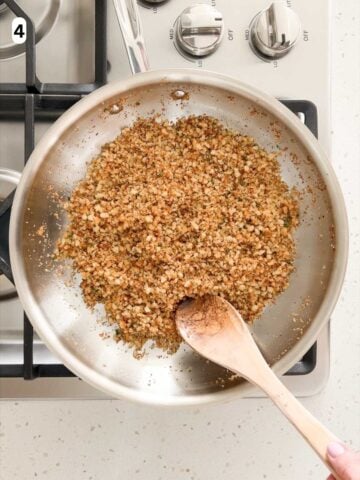
Step 4: once the breadcrumbs are golden and crisp, stir in the parsley, rosemary, oregano, salt, and pepper. Cook for 1 to 2 minutes more to allow the flavors to develop, then season with additional salt to taste (image 4). Remove from the heat and let cool slightly before sprinkling over your favorite dish. Enjoy!
Equipment
- Food processor or blender: this grinds the bread into coarse breadcrumbs, giving pangrattato its signature texture. If you don't have either, a box grater works well, using the coarse side with the largest holes. Grating is easiest when the bread is stale, as it breaks down more cleanly.
Save This Recipe! 💌
Storage
- Refrigerator: store pangrattato in an airtight container in the refrigerator for up to 1 week.
- Freezer: freeze in an airtight container for up to 3 months. Thaw in the refrigerator before use.
- Re-crisping: freezing can introduce a small amount of moisture, which may soften the breadcrumbs slightly. To restore their texture, warm the pangrattato in a dry skillet over medium-low heat for 2-4 minutes, stirring frequently until crisp.
See the USDA Leftovers and Food Safety guide for more information on how to store leftovers safely.
Expert tips
- Start with stale bread: day-old bread grinds easier and toasts faster, helping the breadcrumbs become crisp without drying out.
- Keep the crumbs coarse: pulse the bread just until coarse crumbs form. Larger pieces toast more evenly and create the rustic crunch that makes pangrattato unique.
- Infuse the garlic gently: heat the garlic in olive oil over low heat to build deep flavor without browning or bitterness. The oil becomes the flavor base for the pangrattato.
- Toast slowly for even crunch: cook the breadcrumbs over medium heat, stirring frequently so they turn golden and crisp rather than unevenly browned.
- Let it cool slightly before serving: pangrattato crisps further as it cools, developing its signature crunch.
FAQs for Pangrattato
Pangrattato, which translates to "grated bread," is a crispy Italian topping made by toasting coarse breadcrumbs in olive oil, garlic, and herbs. It comes from Southern Italy's cucina povera tradition - meaning "poor kitchen" - a resourceful style of cooking that transforms simple ingredients into flavorful dishes. Especially common in regions like Sicily and Calabria, pangrattato adds savory flavor and crunch to pasta, vegetables, and soups, traditionally serving as a more affordable alternative to grated cheese.
Pangrattato is a toasted breadcrumb topping used to add flavor and crunch, while traditional breadcrumbs are used as an ingredient for coating, binding, or thickening recipes. Pangrattato is made from coarse breadcrumbs toasted in olive oil and aromatics like garlic and fresh herbs, giving it a crispy texture and savory flavor. Regular breadcrumbs are typically finer and mixed into dishes rather than sprinkled on top.
Yes, you can use fresh bread for pangrattato, but it should be dried in an oven first. Cut the bread into cubes or thick slices and spread them on a baking sheet. Bake at 250°F (121°C) for 10 to 20 minutes, or until the bread is dry but not browned. Let it cool before processing into crumbs.
Pangrattato may turn out soft if the crumbs are too fine, the pan is overcrowded, or the breadcrumbs haven't toasted long enough. Cook over medium heat while stirring frequently, and allow the breadcrumbs to cool slightly before serving - they continue to crisp as they rest.
Serving Suggestions
Pangrattato adds savory flavor and crisp texture to a wide variety of recipes. Sprinkle it over dishes just before serving to preserve its signature crunch. Try it with:
- Pasta: finish simple pasta dishes like mushroom pappardelle pasta, tagliatelle alla bolognese, or pesto and ricotta pasta for added crunch and flavor.
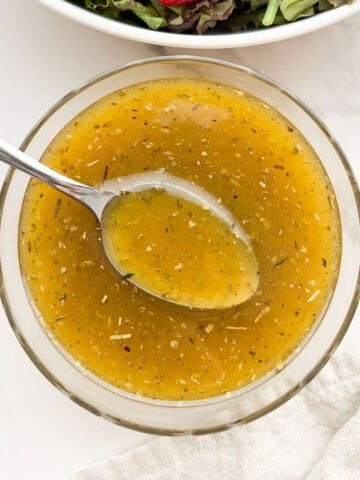
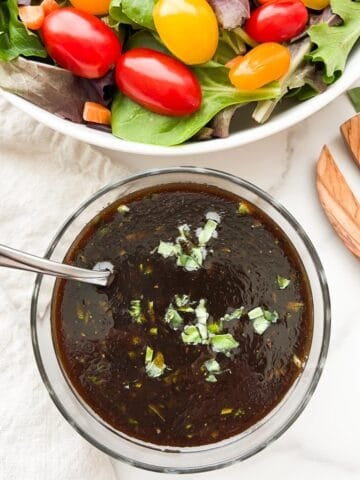
- Salads: use as a crispy topping for fresh salads like my spinach and arugula salad or burrata caprese salad. It pairs especially well with a tangy dressing, like white balsamic vinaigrette or basil balsamic vinaigrette.
- Soups: sprinkle over hearty soups such as Italian beef and vegetable soup and minestrone soup with chicken for texture similar to croutons, but lighter and more flavorful.
- Appetizers: add a finishing sprinkle to creamy starters like whipped ricotta dip and bruschetta burrata.
Did you make this recipe? I'd love to hear all about it! Leave a star rating and comment below. Subscribe to my newsletter for delicious Italian recipes straight to your inbox!
Recipe

Pangrattato
Save This Recipe! 💌
Ingredients
- 7 ounces Italian baguette (stale, about 2 cups)*
- ¼ cup extra virgin olive oil
- 2 cloves garlic (minced)*
- 1 tablespoon fresh parsley (chopped)*
- 1 teaspoon fresh rosemary (chopped)*
- 1 teaspoon fresh oregano (chopped)*
- ½ teaspoon kosher salt
- ¼ teaspoon black pepper
Instructions
- Prepare the breadcrumbs: tear the bread into small pieces and place them in a food processor. Pulse until coarse breadcrumbs form. If you don't have a food processor, you can grate the bread using a box grater or pulse it briefly in a blender.

- Infuse the olive oil and garlic: heat the olive oil in a large skillet over low heat. Add the garlic and cook for about 5 minutes, until fragrant and lightly golden.
- Add the breadcrumbs: add the breadcrumbs to the skillet and toss to coat evenly in the garlic-infused oil. Increase the heat to medium and toast for 5 to 7 minutes, stirring frequently, until crisp and golden.
- Stir in the herbs and seasoning: once the breadcrumbs are golden and crisp, stir in the parsley, rosemary, oregano, salt, and pepper. Cook for 1 to 2 minutes more to develop the flavors, then season with additional salt to taste. Remove from the heat and let cool slightly before sprinkling over your favorite dish. Enjoy!


Video
Notes
- Italian baguette: I love using stirato bread, but any sturdy, crusty bread works, including ciabatta, sourdough, or French bread. Stale bread is ideal because it's grinds easily into breadcrumbs and toasts evenly.
- Using fresh bread: dry it in the oven first. Cut into cubes or thick slices, place on a baking sheet, and bake at 250°F (121°C) for 10-20 minutes, or until dry but not browned. Let it cool before processing into crumbs.
- Garlic: use freshly minced garlic. Pre-minced garlic can be milder and may not infuse the oil as well.
- Parsley, rosemary, and oregano: dried herbs can be substituted, using ⅓ the amount of fresh. Because dried herbs take longer to release their flavor, add them in Step 3 when you begin toasting the breadcrumbs.
- Flavor variations:
- different seasoning: add herbs like thyme, basil, or sage to change the flavor profile.
- brighten with zest: stir in finely grated lemon zest at the end for a fresh, bright finish.
- spice it up: add a pinch of crushed red pepper flakes to the oil for gentle heat.
- add cheese: once the pangrattato has cooled to room temperature, toss with 2 tablespoons of finely grated Parmigiano Reggiano or Pecorino Romano for extra richness and umami.
- Storage: store pangrattato in an airtight container in the refrigerator for up to 1 week or freeze for up to 3 months. Thaw in the refrigerator before using.
- Re-crisp: after freezing, pangrattato may lose some of its crunch. Warm in a dry skillet over medium-low heat for 2 to 4 minutes, stirring frequently until crisp again.
Nutrition
The provided nutrition and storage information is estimated. Accuracy is not guaranteed.
See our Disclaimer for more information.
rd says
This pangrattato makes any meal special. It is quick, easy to make, and goes well on so many different foods. I’ve used it on pasta, mac and cheese, even on salad! I can’t get enough, and you won’t either. A perfect breadcrumb is something that adds a delicious flavor and crunch to any dish. Give it a try, you’ll be glad you did!
Maria D'Errico says
Thank you, I'm glad you love this recipe!