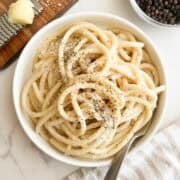
Cacio e Pepe (with Bucatini)
This easy cacio e pepe recipe is an authentic Roman pasta made with Pecorino Romano, freshly cracked black pepper, and al dente bucatini. With easy to follow, step-by-step guidance, this recipe is your complete guide to making creamy, clump-free cacio e pepe at home, perfect for weeknights or simple weekend dinners!
Servings: 8
Calories: 309kcal
Ingredients
- 1½ teaspoons kosher salt (plus more to taste)
- 1 pound bucatini (dried)*
- 2 teaspoons black pepper (freshly cracked)
- 2 cups Pecorino Romano (finely grated, plus extra as needed)*
Instructions
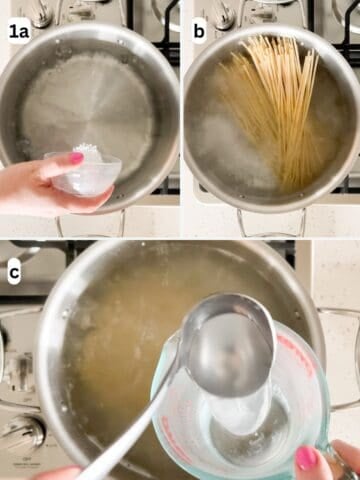
- Cook the pasta: fill a large pot with a gallon of water and bring it to a boil. Stir in the kosher salt. Add the bucatini and cook extra al dente (about 1 minute less than the package instructions). A few minutes before the pasta is done, reserve 3 cups of pasta water and set aside. Then drain the pasta when ready.
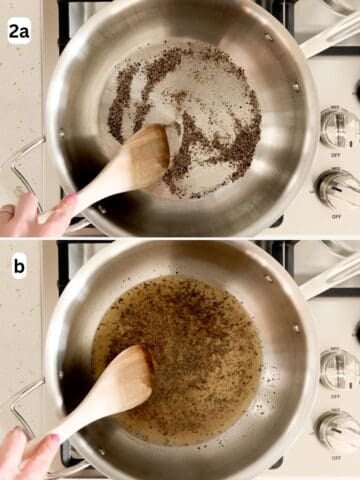
- Toast the black pepper: while the pasta cooks, toast the cracked black pepper in a large skillet over low heat until fragrant, about 1 to 2 minutes. Then add ½ cup of reserved pasta water to the pan, stirring to combine. Turn off the heat and remove the skillet from the burner onto a cool surface. This pan will stay off the heat for the remainder of the recipe.
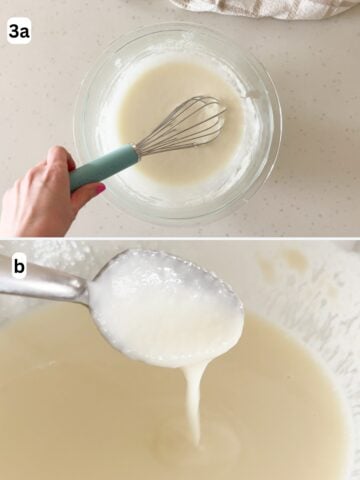
- Prepare the sauce: while the pasta finishes cooking, place the Pecorino Romano in a large mixing bowl. Let the reserved pasta water sit for a couple of minutes so it's hot but not boiling (below 180°F/82°C). Then slowly whisk about 1 cup of pasta water into the Pecorino Romano, a few tablespoons at a time. Continue whisking until the cheese forms a creamy, pourable mixture that glides off the spoon but is not watery. If it's too thick, add more pasta water a tablespoon at a time.
- Combine the pasta and pepper: add the drained bucatini to the pan with the black pepper mixture (while off the heat). Toss for 1 minute, until the pasta is evenly coated and has slightly cooled. At this point, the pasta should be warm, but not so hot that it will cause the cheese to clump.

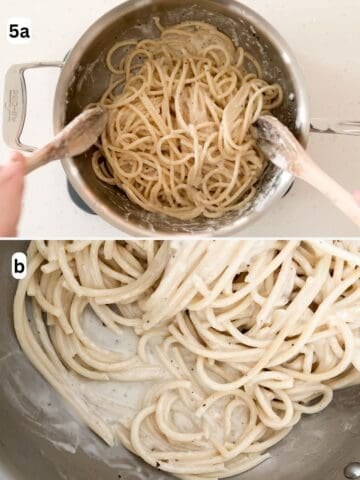
- Add the cheese mixture: pour in the Pecorino Romano mixture and toss vigorously until the sauce emulsifies and coats the pasta. If the sauce is too thick, add more reserved pasta water a tablespoon at a time until it's creamy. If it is too thin, add a bit more finely grated Pecorino Romano and toss again.
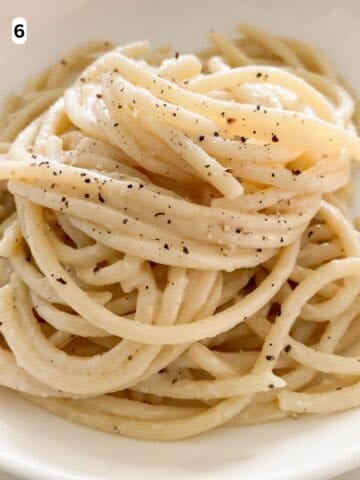
- Serve: garnish with extra Pecorino Romano and freshly cracked black pepper, if desired. Serve immediately and enjoy!
Video
Notes
- Bucatini: you can use a different long, thin pasta. Spaghetti, tonnarelli, or linguine are great options.
- Pecorino Romano: grate it fresh on the finest side of a box grater so it melts smoothly into the sauce. Packaged, pre-shredded cheese may melt unevenly, causing a clumpy sauce. Accurate measurement is important for the sauce's texture. A food scale is the most reliable. If you don't have one, fluff the grated cheese, lightly spoon it into a measuring cup without packing it down, and level off the top with the back of a knife. Have extra on hand in case the sauce is too thin when you get to Step 5 of the recipe.
- Use a different cheese: you could use DOP Parmigiano Reggiano or Grana Padano instead, although the final result will have a milder taste than traditional Roman cacio e pepe.
- Add a topping: I love garnishing with pangrattato for extra flavor and crunch!
- Fresh pasta conversion: use 1½ pounds of fresh pasta for every pound of dried. Adjust the cook time accordingly. Since fresh pasta is less absorbent, it may need less pasta water when finishing the sauce.
- Storage: cacio e pepe is best enjoyed right away, while the sauce is creamy. Leftovers can be refrigerated for up to 2 days in an airtight container. Refrigerate the extra pasta water to refresh the sauce when reheating. I don't recommend freezing because the leftovers will become mushy and grainy.
- Reheating: add a bit of pasta water to the leftovers to help loosen the sauce. For best results, gently reheat in a skillet over low heat, stirring continuously. You can also microwave the leftovers in 20-30 second increments, stirring between each. All leftovers should be reheated to 165°F (74°C) throughout.
Nutrition
Serving: 1cup | Calories: 309kcal | Carbohydrates: 44g | Protein: 15g | Fat: 8g | Saturated Fat: 4g | Trans Fat: 0g | Cholesterol: 26mg | Sodium: 594mg | Potassium: 156mg | Fiber: 2g | Sugar: 2g | Vitamin C: 0mg | Calcium: 281mg | Iron: 1mg
